Our Kitchen Lens
Most Western baking books treat fruit through the lens of apples, pears, and temperate berries—fruits with predictable pectin structures and sharp malic or citric acid backbones. When a home baker substitutes fresh mango into those templates without adjusting hydration or pH, the result is often a heavy sponge, a weeping tart shell, or a muted custard.
Baskewonbouncymango was created as a dedicated kitchen ledger for mango desserts and tropical baking. We do not sell paid certificates or gated video memberships; instead, we publish open, rigorously tested lessons grounded in what fruit, flour, eggs, and dairy actually do on a real countertop.
How Every Lesson Is Verified
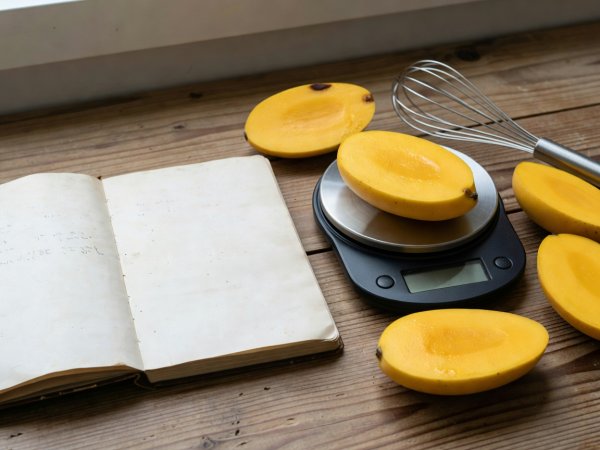
Every formula published on baskewonbouncymango.courses is tested across at least two distinct mango varieties—typically a high-solids cultivar (such as Ataulfo or canned Alphonso) and a high-moisture supermarket cultivar (such as Kent or Tommy Atkins)—using standard domestic ovens without commercial convection steam injectors.

Meera Nair
Fruit Chemistry & CustardsFocuses on South Asian and Southeast Asian mango cultivars, stovetop purée reductions, kulfi condensations, and hydrocolloid gel structures.

Julian Reyes
Sponge Crumb & Laminated PastryTests chiffon emulsions, pâte sucrée moisture barriers, choux au craquelin fillings, and acid-pairing ratios with calamansi and lime.